
How to teach kids to lose gracefully
Why losing is so hard for little kids
Young children are still learning that a game is just a game. Losing can feel like being bad at everything, especially for kids who care a lot. Tears, quitting and shouting that it isn't fair are very common between ages four and eight, and they are a chance to teach, not a reason to stop playing.
What helps
- Play short games often. Lots of low-stakes games give lots of practice at losing and winning.
- Lose on purpose sometimes, and do it well. Show what a good loser says: good game, can we play again?
- Praise effort, kindness and fun. Comment on how they tried, how they helped, or how much they laughed, not just who won.
- Have a calm-down plan. A few deep breaths or a short break before the next round helps big feelings settle.
- Celebrate others. Cheering for a sibling or teammate builds the muscle of being glad for someone else.
- Notice that everyone shines at different things. Some are fast, some are careful, some are funny, and that's what makes games fun.
A story about being a good sport
In Luno and the Summer Games, every event happens in bright sunshine, and a little bat keeps losing until he quits in a huff. A slow, happy tortoise shows him a different way to play, and when the last race finally suits a night bat, Luno has to choose between winning and helping a friend. It's a fun story to read before a sports day or after a tough game night.
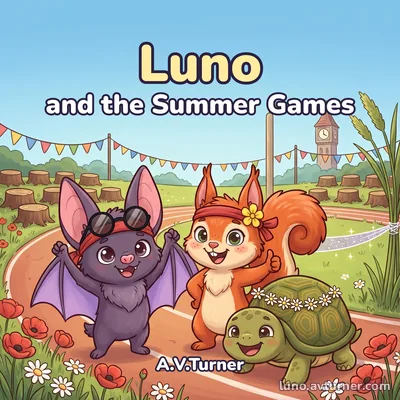 Luno the Little Vampire · Book 7Luno and the Summer GamesBeing a Good Sport and Teamwork · ages 4–8
More guides for parents: How to help a child who is scared of the dark · When your child is scared of thunder · When your child feels jealous of a new friend.